Roof Inspection Checklist for Denver Homeowners

Roofing Contractor Specializing in Roof Repair and Storm Damage Roofing in Denver

Providing roof repair, emergency roof repair, storm damage roofing, and roof replacement services throughout the Metro Denver Area

Family-Owned Legacy Built on Quality  Since 1978

Fast scheduling and quick response – reach out today

Request Estimate 

Ernies Roofing

You’re Info is safe with us – we never share your information. We value our customers privacy!
Roof Inspection Checklist for Denver Homeowners | Ernie's Roofing

Denver Roof Inspection Guide

Roof Inspection Checklist for Denver Homeowners

What Professionals Look For On Every Front Range Roof

Most Denver homeowners don't know what a professional roof inspection actually covers. They know the inspector got on the roof, walked around, and came back with a number. What they don't know is which components were checked, which were missed, and whether the findings reflect the full picture. This checklist covers every item a thorough professional inspection should include on a Denver residential roof.

Featured Answer: A professional roof inspection checklist for Denver homeowners covers eight primary areas: shingle surface condition, flashing integrity at all penetrations, pipe boot seal condition, ridge and hip cap assessment, roof deck and structural integrity, attic ventilation and moisture, gutter and drainage system, and interior ceiling and wall staining. All findings should be documented in writing with photos before any repair recommendations are made.
Roof inspection checklist Denver homeowners professional guide

Why Knowing the Inspection Checklist Matters for Denver Homeowners
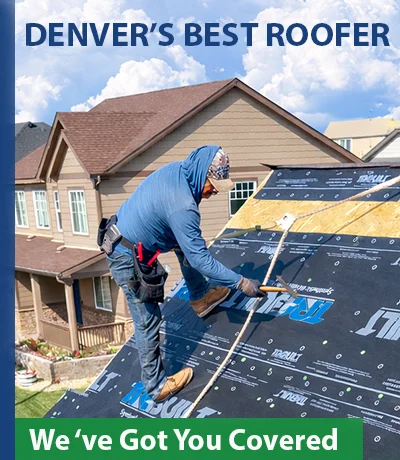
Denver roofing contractor professional roof inspection

An inspection is only as valuable as what it actually covers. A contractor who walks around the yard and looks up at the roof from the ground is not performing an inspection. A contractor who gets on the roof, checks every component systematically, and documents findings in writing is. The difference between those two experiences can be thousands of dollars in missed damage and undetected problems.

Denver homeowners are in a particularly vulnerable position when it comes to roof inspections because the demand for inspections spikes after every hail event. When storm chasers flood the market after a major hail storm, the quality of what passes for an inspection drops significantly. Knowing what a thorough inspection should include gives you the ability to ask the right questions and recognize whether the person on your roof is actually doing the job.

Ernie's Roofing has been performing professional roof inspections on Denver homes since 1978. The checklist below reflects nearly fifty years of understanding what Colorado weather does to Front Range roofs and what needs to be evaluated on every inspection.

erniesroofing.com/residential-roofing/

Checklist Section One: Shingle Surface and Overall Roof Condition

Roof inspection shingle checklist Denver Colorado

The shingle surface is the first and most visible component of any roof inspection. A proper shingle inspection goes well beyond looking for missing shingles. It evaluates the physical condition of every shingle on the roof across multiple performance indicators.

  1. Granule retention: Shingles that have lost significant granule coverage expose the underlying asphalt mat to direct UV, accelerating breakdown. Granule loss is evaluated across the full roof surface, not just at visible wear points.
  2. Shingle tab bond: The adhesive strip that seals shingle tabs is checked for separation. Tabs that have lost their bond are vulnerable to wind lift even in conditions that would not affect a properly bonded roof.
  3. Curling and cupping: Upward curling at the edges or lifting in the middle indicates shingle aging, moisture imbalance, or ventilation problems underneath. Both conditions increase vulnerability to wind damage.
  4. Surface cracking and fracturing: Shingles that show surface cracking have lost flexibility and are no longer absorbing impact the way they were designed to. Colorado hail hitting a cracked shingle punches through rather than deflecting.
  5. Hail impact marks: Circular bruising or punctures from hail impact require close-up assessment to distinguish from normal surface wear. This is one of the most critical findings on any post-storm inspection in Denver.
  6. Missing shingles: Location, count, and extent of missing shingle coverage documented with photos.

erniesroofing.com/storm-and-hail-damage-roof-repair/

Checklist Section Two: Flashing, Penetrations, and Roof Deck
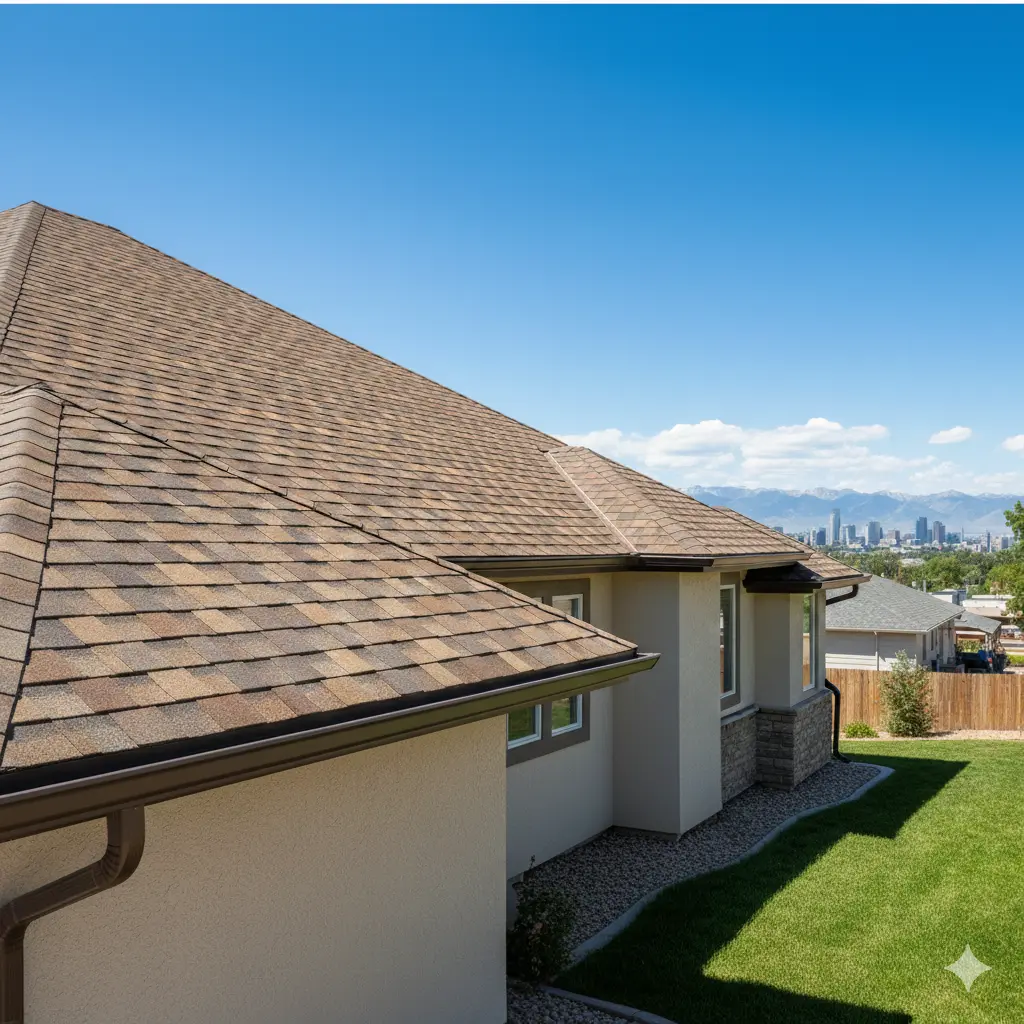
Roof flashing inspection Denver penetrations checklist

Flashing and penetration failures account for a large percentage of the roof leaks we find on Denver homes. These components are often invisible from the ground and require direct on-roof inspection to evaluate correctly. A thorough checklist covers every penetration point without exception.

  1. Chimney step flashing and counter flashing: Step flashing along the chimney sides and counter flashing at the cap are checked for lifting, separation, and caulk failure at every joint.
  2. Skylight perimeter flashing: Skylight frame to roof deck seals checked for cracking, separation, and proper overlap. Skylights are among the most frequently failed penetrations on Denver residential roofs.
  3. Plumbing vent pipe boot seals: Every rubber boot seal around plumbing penetrations is checked for UV cracking, separation from the pipe collar, and uplift. Failed pipe boots are a leading cause of attic moisture we find on inspection.
  4. Valley flashing: Metal or woven valley flashing is checked for corrosion, lifting at edges, and granule wear that exposes the metal surface.
  5. Drip edge condition: Metal drip edge at eaves and rakes checked for proper installation, rusting, and separation from the fascia.
  6. Roof deck integrity: Soft spots and spongy areas are identified by walking the deck. Any area that flexes under foot indicates compromised sheathing that needs further evaluation.

erniesroofing.com/roof-repair/

Checklist Section Three: Attic, Gutters, and Interior Indicators
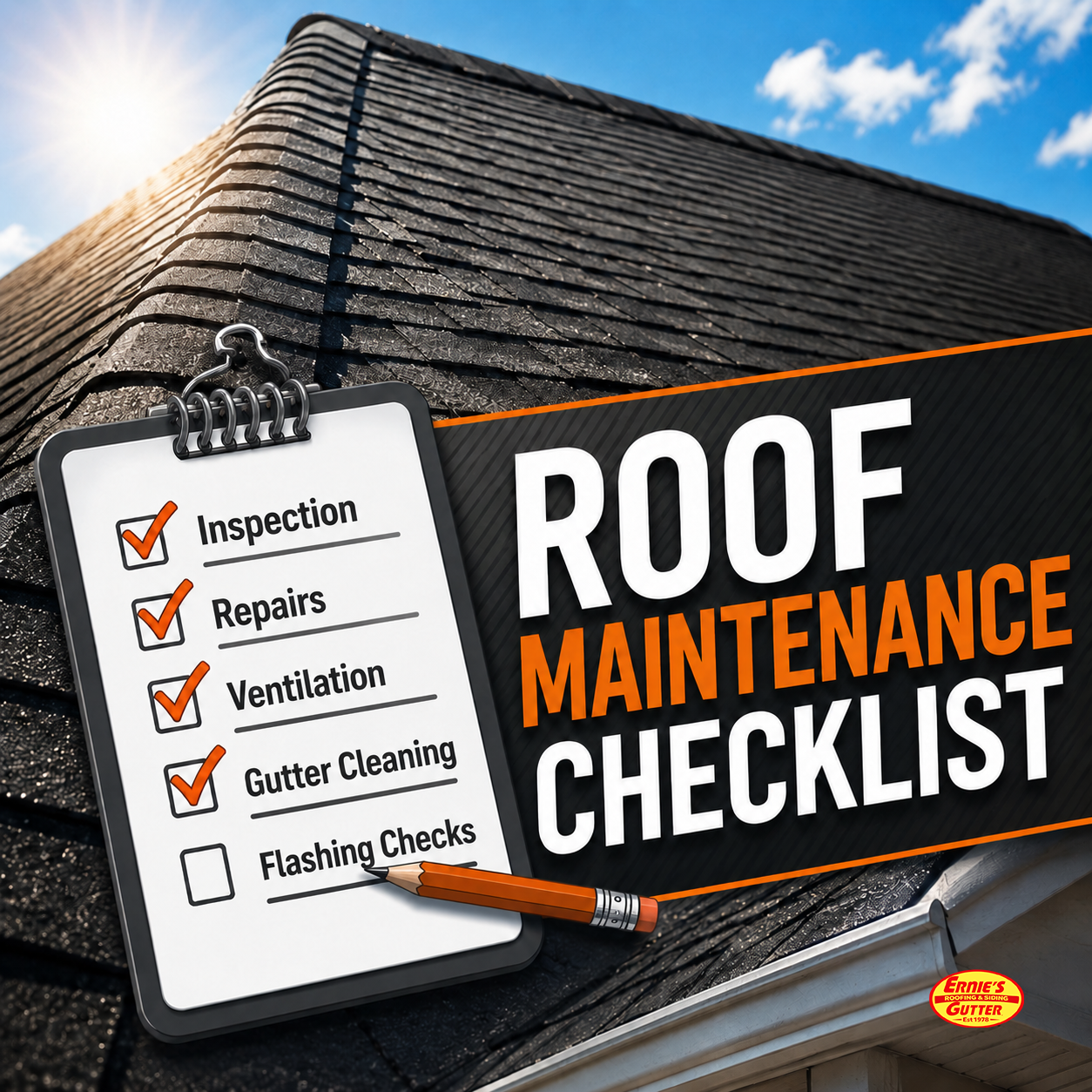
Roof inspection checklist attic gutters Denver homeowners

A roof inspection that only covers the exterior surface is an incomplete inspection. The attic provides critical information about ventilation adequacy, moisture intrusion, and structural condition that is not visible from the roof surface. The gutter system directly affects how the roof sheds water. Interior indicators tell you whether water has already crossed into the living space.

  1. Attic ventilation: Soffit vent and ridge vent adequacy evaluated. Blocked vents cause heat and moisture buildup that accelerates sheathing rot and premature shingle failure from underneath.
  2. Attic moisture and staining: Sheathing is inspected for frost, condensation staining, water streaks, and active moisture. Any staining pattern is traced to identify the likely entry point.
  3. Daylight through the deck: Any visible daylight coming through the roof boards from inside the attic is documented. Where light gets through, water follows.
  4. Insulation condition: Insulation that has been compressed or contaminated by moisture loses its R-value and can harbor mold. Condition is noted where visible.
  5. Gutter hanger and slope: Gutters are checked for proper slope toward downspouts, hanger integrity, and sections that are pulling away from the fascia board.
  6. Gutter seam and joint condition: Seam failures and joint separations are located and documented. Leaking seams direct water against the fascia continuously rather than through the downspout.
  7. Interior ceiling and wall check: Ceiling and wall surfaces inside the home are evaluated for water staining that indicates active or historic moisture intrusion from the roof system.

erniesroofing.com/emergency-roof-repair/

Want a Professional Inspection That Actually Covers All of This?

Ernie's Roofing inspects every item on this checklist and delivers written findings with photos. No guesswork. No rushed walk-around. A real inspection from a contractor who has been doing this on Denver homes since 1978.

Get Free Inspection

720 346 ROOF

Complete Roof Inspection Checklist: Quick Reference

Every item on this checklist should be evaluated during a thorough professional inspection of a Denver residential roof. Use it to verify what your inspector covered and what was documented.

Granule Retention

Evaluated across full roof surface. Significant granule loss exposes mat to UV and accelerates breakdown.

Shingle Tab Bond

Adhesive strip integrity checked. Separated tabs are vulnerable to wind lift at speeds that would not affect bonded shingles.

Curling and Cupping

Edge curling or center lifting documented. Both conditions indicate aging, moisture imbalance, or ventilation failure.

Surface Cracking

Shingles with surface cracks have lost flexibility. Hail impact cracks rather than deflects on these shingles.

Hail Impact Marks

Close-up assessment of circular bruising or punctures. Distinguished from normal wear. Critical for insurance documentation.

Missing Shingles

Location and count documented with photos. Every gap in coverage is a direct water entry point under wind and rain.

Chimney Flashing

Step flashing, counter flashing, and caulk joints at every chimney penetration checked for lifting and separation.

Skylight Flashing

Perimeter seals, frame to deck junction, and overlap details checked. One of the most frequently failed penetrations in Denver.

Pipe Boot Seals

Every rubber boot around plumbing vents checked for UV cracking and collar separation. Leading cause of attic moisture.

Valley Flashing

Metal or woven valley flashing checked for corrosion, lifting edges, and granule wear exposing the metal surface.

Roof Deck Integrity

Soft spots and spongy areas identified by walking the deck. Flexing underfoot indicates compromised sheathing.

Attic Ventilation

Soffit and ridge vent adequacy evaluated. Poor ventilation causes heat and moisture buildup that shortens roof life.

What a Good Inspection Looks Like vs What To Watch Out For

Not all roof inspections in Denver are equal. Knowing what separates a thorough inspection from a rushed walk-around helps you make the right call when choosing who gets on your roof.

A Thorough Inspection

Contractor gets on the roof and walks the full surface. Every penetration checked up close. Attic access taken if available. Written findings provided with photos of every issue identified. Findings explained clearly before any repair conversation begins. Takes forty-five to ninety minutes depending on roof size and complexity.

Warning Signs of a Poor Inspection

Inspection completed from the ground only. No attic access taken. No written findings provided. Repair quote given before findings are explained. Inspection takes less than fifteen minutes. Contractor cannot identify specific damage locations or describe what they found in detail. Pressure to sign before you review the findings.

Questions To Ask Your Inspector

Did you check the pipe boot seals? What did you find in the attic? Can you show me the damage photos? What is the condition of the flashing at the chimney? How many years of life do you estimate is left on this roof? Are there any areas that need immediate attention before the next weather event?

How Ernie's Roofing Conducts a Professional Inspection in Denver

Ernie's Roofing Denver professional roof inspection checklist

Ernie's Roofing has been inspecting Denver residential roofs since 1978. The inspection process we follow has been refined through nearly fifty years of understanding what Colorado weather does to Front Range roofs across every decade of construction. We do not use a generic checklist designed for mild climates. We inspect for the specific failure patterns that Denver roofs produce under UV exposure, hail, wind, freeze-thaw cycles, and temperature extremes.

  1. Pre-inspection ground assessment: We walk the exterior perimeter before getting on the roof to identify visible concerns, check gutter condition, and look for signs of past repairs or problem areas.
  2. Full roof surface inspection: We walk the entire roof deck, evaluating shingle condition, tab bond, surface integrity, and hail impact at close range across every section.
  3. All penetrations checked: Every chimney, skylight, plumbing vent, dormer, and valley flashing inspected individually without exception.
  4. Ridge and hip cap assessment: Ridge cap shingles and ridge vent condition evaluated for lifting, fastener exposure, and cracking.
  5. Roof deck walk: Soft spots and spongy areas identified across the full deck surface.
  6. Attic inspection: We access the attic when available to evaluate ventilation, moisture, insulation, and any signs of active water intrusion from above.
  7. Interior walkthrough: Ceiling and wall surfaces checked for staining that indicates past or active moisture entry.
  8. Written summary with photos delivered: Every finding documented in writing with photos before any repair recommendation is discussed. You get the full picture first.

Get a Real Inspection From a Contractor Who Checks Every Box

Ernie's Roofing covers every item on this checklist on every Denver inspection. Free. Written findings with photos. No pressure to sign anything. Just the truth about your roof from a contractor with nearly fifty years on Front Range roofs.

Schedule Free Inspection Today

Frequently Asked Questions: Roof Inspection Checklist Denver

How long does a professional roof inspection take in Denver?

A thorough inspection of a standard Denver residential roof takes between forty-five minutes and ninety minutes depending on roof size, complexity, and what is found. Larger roofs, complex geometry, multiple penetrations, and attic access all add time. An inspection completed in under fifteen minutes did not cover everything on this checklist.

What should I receive after a professional roof inspection?

A written summary of every finding with photos of each item identified. The summary should include the location of each issue, its current condition, and a recommendation for immediate action versus ongoing monitoring. Any repair estimate should come after the findings are reviewed, not before.

Should a roof inspection include the attic?

Yes. The attic provides critical information about ventilation adequacy, moisture intrusion, sheathing condition, and active leak pathways that are not visible from the roof surface. An exterior-only inspection misses these findings entirely. Ernie's Roofing accesses the attic on every inspection where access is available.

How often should Denver homeowners get a roof inspection?

Every two years minimum for roofs in good condition. Annually for roofs over fifteen years old. After any significant hail or wind storm event regardless of when the last inspection was. And any time you notice a warning sign from the ground or inside the home.

Can I do my own roof inspection in Denver?

You can perform a ground-level visual inspection with binoculars and an attic check without getting on the roof. Those steps catch the most visible issues. What they cannot assess is flashing condition at penetrations, soft spots in the deck, close-up hail impact evaluation, or pipe boot seal integrity. Professional inspection catches what ground-level assessment misses.

What is the difference between a roof inspection and a roof estimate?

An inspection evaluates the condition of your roof and documents what is found. An estimate proposes a scope of work and a price to address those findings. They are two separate steps. Be cautious of any contractor who delivers an estimate before completing and presenting the inspection findings. The inspection should inform the estimate, not the other way around.

How do I patch my roof after a storm while waiting for an inspection?

A heavy-duty tarp secured over the damaged area and extending past the ridge is the most reliable temporary fix. Document the condition before the tarp goes on. Call 720 346 ROOF for emergency roof patching in Denver. We respond fast and can stabilize the roof while a full inspection and repair are scheduled.

Who do I call for wind damage to my Denver roof?

Call Ernie's Roofing at 720 346 ROOF. We inspect wind-damaged roofs, document findings in writing with photos for insurance purposes, provide emergency repair if needed, and walk you through the full claims process from inspection through final repair. Wind damage should be assessed before the next weather event changes the condition of the roof.

What makes a Denver roof inspection different from inspections in other states?

Denver's combination of hail frequency, high UV exposure at elevation, extreme temperature swings, and freeze-thaw cycles produces specific failure patterns that inspectors in mild-climate states rarely encounter. A Front Range roof inspection requires knowledge of hail impact assessment, UV degradation timelines at altitude, ice dam formation mechanics, and Colorado insurance claim documentation standards.

How do I schedule a free roof inspection with Ernie's Roofing?

Call 720 346 ROOF or use the button on this page. We schedule quickly, cover every item on this checklist, deliver written findings with photos, and give you a straight answer about what your roof needs. No pressure. No obligation. Just the facts about your roof from a Denver contractor who has been doing this since 1978.

Get a Professional Inspection That Covers Every Item on This List

Ernie's Roofing has been inspecting Denver roofs since 1978. Free inspection. Written findings with photos. No pressure. We cover every item on this checklist and give you the full picture before any repair conversation begins.

Schedule Free Inspection

720 346 ROOF

Protection starts at the top of the home.

Read our Google Reviews

Roof leaks in Denver often begin long before water appears inside. Discover the real causes of delayed roof leaks and when Denver homes need inspection. Since 1978

1195 W Custer Pl Denver, CO 80223
Monday, Tuesday, Wednesday, Thursday, Friday, Saturday, Sunday9:00 am – 5:00 pm
Ernie's Roofing

General Information Disclaimer
This content is provided for general informational and educational purposes only. It does not constitute professional construction, roofing, or contracting advice. Every property, structure, and situation is different. Always consult a qualified roofing or gutter professional for inspections, recommendations, and repairs specific to your home or building.