How To File Storm Damage Insurance Claim Denver

Latest News & Resources

When you need a roof contractor you can rely on the team of experts at Ernie’s Roofing. We specialize in a wide range of services from new construction, maintenance, and repairs for your home or business.

How to File a Storm Damage Insurance Claim in Denver | Ernie's Roofing

Denver Storm Claim Guide for Homeowners

How to File a Storm Damage Insurance Claim in Denver

What to Document, Who to Call, and What Happens After You Report the Damage

How To File Storm Damage Insurance Claim Denver is a search homeowners make when hail, wind, falling branches, or heavy rain have damaged the roof and they are not sure what to do first. The safest order is to protect people, stop additional damage when reasonably possible, photograph everything, report the loss to the insurance carrier, and arrange a professional roof inspection before permanent repairs remove important evidence.

Featured Answer: To file a storm damage insurance claim in Denver, document the damage with photos and video, prevent additional water entry when safe, save receipts, contact your insurer promptly, obtain a claim number, schedule a professional roof inspection, and prepare your records for the adjuster. Do not climb onto a wet roof or begin permanent repairs before the damage is documented.
Denver roofing contractor documenting storm damage for a homeowner insurance claim

The First 24 Hours After Storm Damage to Your Denver Home
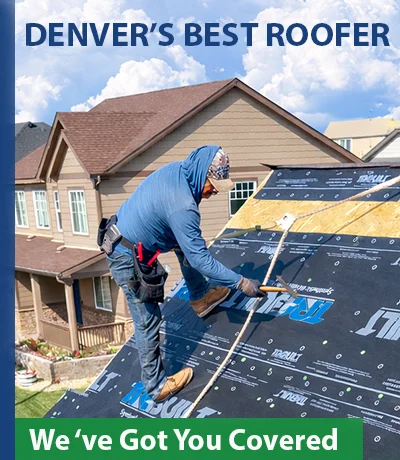
Denver roofing contractor inspecting a home after hail and wind damage

Storm damage creates two separate problems at the same time. The first is physical: water may be entering the roof system, shingles may be missing, flashing may be loose, gutters may be torn away, or a tree limb may have opened the roof. The second is administrative: the homeowner has to preserve evidence, contact the correct insurance department, keep track of names and claim numbers, and coordinate inspections while still dealing with the damage inside the home.

Safety comes before the claim. Stay away from fallen power lines, broken glass, unstable branches, standing water near electrical equipment, sagging ceilings, and any roof area that appears soft or collapsed. If there is a fire, gas odor, structural danger, or threat to people, call emergency services. A roof claim can be handled after everyone is safe. A serious injury cannot be undone.

Once the immediate danger is controlled, take reasonable steps to prevent the loss from becoming worse. Move furniture and electronics away from leaks. Place containers under active drips. Protect flooring. If the roof has an exposed opening, arrange temporary tarping or emergency dry-in work from a qualified roofing contractor. Do not climb onto a wet, icy, steep, or damaged roof. Denver storms often leave loose granules, lifted shingles, slick surfaces, and hidden soft spots that make a roof more dangerous than it looks from the ground.

If this is your first time hearing this, temporary protection and permanent repair are not the same thing. Temporary work is meant to control water and preserve the property until the roof can be fully inspected. Permanent work removes and replaces damaged components. Document the original condition before temporary work whenever it is safe, and save every receipt.

Helpful service: erniesroofing.com/emergency-roof-repair/

Step One: Document the Storm Damage Before Cleanup or Permanent Repair

Storm damage roof inspection and insurance claim documentation checklist in Denver

Good claim documentation tells the story of the damage in a way another person can follow. Start with wide photographs showing the entire front, rear, and side elevations of the home. Then move closer to specific damage. Photograph hail on the ground, shingles or roofing pieces in the yard, dented gutters, bent downspouts, damaged vents, broken skylights, lifted flashing, missing shingles, torn siding, water stains, wet insulation, and damaged personal property.

Use video to show active leaks, dripping water, the path water is taking, or a loose roof component moving in the wind. Record the date and approximate time of the storm. If hail remains on the ground, place a ruler or familiar object beside a hailstone for scale. Do not rely on one close-up photograph with no surrounding reference. An adjuster or contractor needs to understand where the damage is located on the building.

  1. Photograph before moving or covering anything: Get the original condition first whenever safety allows.
  2. Take wide, medium, and close views: Wide photos establish location, medium photos show the damaged component, and close photos show detail.
  3. Include interior and attic evidence: Ceiling stains, wet insulation, decking discoloration, and water trails may show how far the damage spread.
  4. Save damaged materials when practical: Broken vents, shingles, trim, or other removed pieces may help document what was replaced.
  5. Keep every invoice and receipt: Temporary tarping, boarding, water extraction, drying equipment, lodging, and emergency purchases may need to be reviewed by the carrier.
  6. Create a claim folder: Store photographs, policy documents, estimates, emails, invoices, and inspection reports under the property address and storm date.

Helpful service: erniesroofing.com/hail-storm-damage-roof-repair-in-denver/

Step Two: Contact the Insurance Carrier and Get a Claim Number
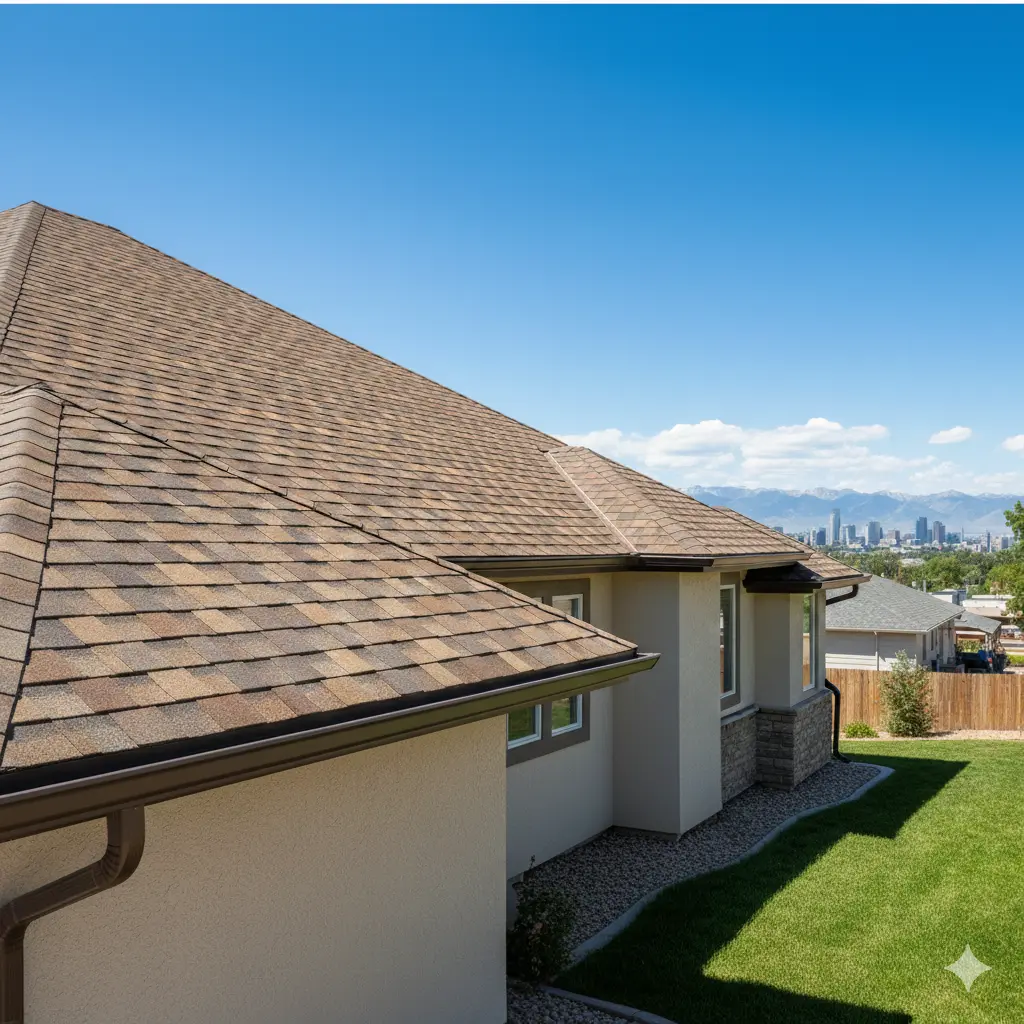
Roof flashing and storm damage inspection for an insurance claim in Denver

Use the claims number listed on the insurance card, policy declarations page, carrier application, or official carrier website. Be ready with the policy number, property address, named insured, storm date, approximate time, and a basic description of what happened. Keep the first report factual. You do not need to diagnose every roofing component during the opening phone call.

Ask for the claim number before the call ends. Write down the representative's name, the date and time, the document-upload method, and what happens next. Ask whether the carrier will assign a field adjuster, request photographs, schedule a virtual inspection, or use another inspection process. Put the claim number on every email, estimate, invoice, and photograph package sent to the carrier.

A professional roof inspection should happen early enough to preserve the construction facts. Ernie's Roofing inspects shingles, ridge caps, valleys, flashing, pipe boots, vents, skylights, roof edges, visible decking conditions, gutters, downspouts, fascia, and signs of interior water movement. We document what is physically present and explain whether the condition appears repairable, requires emergency protection, or may involve a larger replacement scope.

The roofing contractor and the insurance adjuster have different jobs. The contractor explains construction conditions, measurements, materials, repair methods, and costs. The adjuster represents the insurance carrier and evaluates the reported loss under the policy. Ernie's Roofing does not interpret coverage, promise approval, negotiate the claim as a public adjuster, or give legal advice.

Schedule inspection: erniesroofing.com/contact-us/

Step Three: Prepare for the Adjuster Inspection and Review the Written Scope
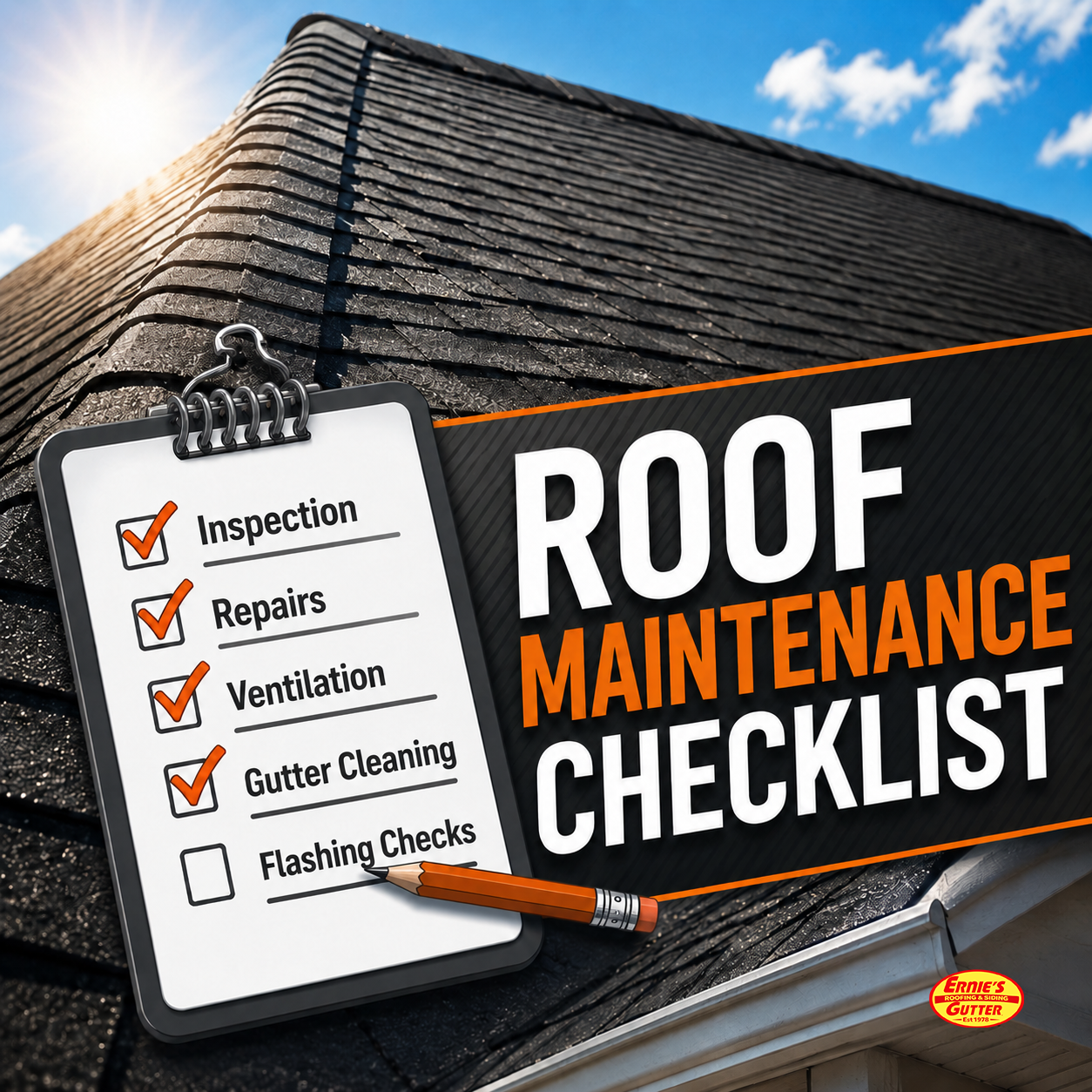
Homeowner storm damage insurance claim records and roof inspection process

Before the adjuster arrives, organize the claim number, storm date, photographs, emergency invoices, contractor findings, and a short room-by-room or elevation-by-elevation list of damage. Make access to the attic, interior stains, and exterior damage as practical as possible. Ask whether your roofing contractor may attend the inspection. A contractor can provide roof access, measurements, photographs, and construction explanations while allowing the adjuster to perform the carrier's independent inspection.

After the carrier produces a written estimate or scope, compare it with the actual construction requirements. Check the roof measurements, number of slopes, roofing layers, flashing, vents, pipe boots, ridge cap, underlayment, drip edge, gutters, disposal, access, permits, code-required details, and any interior repairs. A line-item estimate can look complete while still omitting components that are necessary to rebuild the roof correctly.

Hidden conditions may not be visible until damaged materials are removed. Decking deterioration, additional roof layers, concealed flashing problems, or code requirements can change the construction scope. A legitimate construction supplement should be tied to measurable work, photographs, invoices, manufacturer instructions, permit requirements, or code details. The contractor supports why the construction item is required. The insurance carrier decides whether the item is payable under the policy.

Do not sign a contract you do not understand. Read any contingency agreement, assignment of benefits, authorization, financing document, or direction-to-pay form completely. Ask what happens if the claim is denied, partially approved, or withdrawn. Keep copies of everything you sign. Pressure to sign before the damage has been explained is a warning sign, not a normal requirement.

Helpful service: erniesroofing.com/roof-repair-in-denver-co/

Active Leak, Missing Shingles, or Exposed Roof Deck?

Emergency protection should not wait for perfect paperwork. Ernie's Roofing can document the visible condition, provide temporary protection when appropriate, inspect the roof system, and explain the construction work needed to keep the damage from spreading.

Emergency Roof Help

720 346 ROOF

Quick Claims Contact List for Denver Homeowners

Use the phone number on your policy, insurance card, carrier application, or official carrier website whenever possible. These commonly used claims contacts are provided as a curated starting point so you can reach a major carrier without searching through a full directory. Confirm the number with your insurer because contact procedures can change.

Need a different company? Find your insurance company's claims office with our Insurance Claim Help Tool.

What to Have Ready When You Call

Policy number
Usually found on the declarations page or insurance app.
Date of loss
Use the best known storm date and approximate time.
Property address
Confirm the insured location and best contact number.
Basic damage facts
Describe what you observed without guessing about coverage.
Insurance Claim Support Notice: Ernie's Roofing provides roof inspections, construction documentation, estimates, emergency protection, roof repair, and roof replacement. We do not make insurance coverage decisions, interpret policy language, negotiate claims as a public adjuster, or provide legal advice.

What a Well-Handled Claim Looks Like vs What to Watch Out For

The goal is not to make the claim complicated. The goal is to keep it organized, factual, and tied to the actual damage. Homeowners get into trouble when evidence disappears, roles get blurred, or someone promises an outcome that no contractor can guarantee.

A Well-Organized Claim

The homeowner records the storm date, takes clear photographs, reports the loss promptly, receives a claim number, saves receipts, schedules a complete roof inspection, prepares for the adjuster, and compares the written insurance scope with the actual construction requirements. Every conversation and document is easy to locate.

Warning Signs

A contractor promises insurance will buy a roof, asks you to sign before explaining the damage, offers to waive the deductible, labels ordinary wear as storm damage, makes permanent repairs before documentation, or claims to negotiate policy coverage without the proper license. Those shortcuts can create serious problems for the homeowner.

Questions to Ask

What storm date are we documenting? Which roof components were inspected? Can I see the photographs? Is the work temporary or permanent? What is included in the written scope? Who answers coverage questions? What happens if hidden damage is discovered? Which documents will I receive before construction begins?

How Ernie's Roofing Supports a Denver Storm Damage Claim

Ernie's Roofing storm damage inspection and claim documentation support in Denver

Ernie's Roofing has served Denver homeowners since 1978. Our role in a storm claim is construction support: identify visible roof and exterior damage, document the condition, explain what needs immediate protection, prepare a repair or replacement scope, answer roofing questions, and complete the work correctly. We keep the contractor role separate from the carrier's coverage role.

  1. Ground and exterior review: We check the property for broken roofing pieces, damaged gutters, dented metals, fallen debris, siding impacts, and visible signs that help establish the storm pattern.
  2. Full roof inspection: We inspect shingles, ridge caps, valleys, flashing, pipe boots, skylights, vents, roof edges, drainage components, and accessible areas where water may enter.
  3. Interior and attic review: When accessible, we look for ceiling stains, wet insulation, decking discoloration, water tracks, ventilation conditions, and damage that is not visible from the roof surface.
  4. Emergency protection: If the home is actively leaking or an opening is exposed, we explain reasonable temporary protection options and document the condition before work whenever safety allows.
  5. Photographs and written findings: We organize visible construction findings so the homeowner can understand where damage exists and what roofing components are affected.
  6. Adjuster meeting support: When requested and scheduling allows, we can provide roof access and answer construction questions during the carrier's property inspection.
  7. Construction estimate: We prepare a scope based on measurements, materials, labor, removal, disposal, flashing, ventilation, decking conditions, code details, and the work required to rebuild the roof system properly.
  8. Repair or replacement: Once the homeowner is ready to proceed, we perform the roofing work, document legitimate hidden conditions, complete the cleanup, and provide final construction records.

What We Can Do

  • Inspect and photograph visible damage
  • Explain roofing construction requirements
  • Prepare estimates and invoices
  • Provide emergency protection
  • Meet the adjuster when requested and available
  • Repair or replace damaged roofing systems

What We Do Not Do

  • Promise claim approval or payment
  • Interpret insurance policy coverage
  • Negotiate a claim as a public adjuster
  • Provide legal advice
  • Inflate damage or misrepresent wear
  • Hide or improperly waive a deductible

Get the Roof Documented Before the Damage Changes

A storm-damaged roof can change with every new wind, rain, or freeze-thaw cycle. Ernie's Roofing will inspect the system, explain the construction findings, help protect active openings, and provide the roofing documentation needed to move to the next step.

Schedule Storm Inspection Today

Frequently Asked Questions: Storm Damage Insurance Claims Denver

What is the first thing I should do after storm damage?

Make sure everyone is safe, move belongings away from active water, photograph the damage, and arrange reasonable temporary protection when needed. Contact the insurance carrier promptly and schedule a professional roof inspection. Do not climb onto a wet or damaged roof.

Should I call the roofer or insurance company first?

Either order can work, but do not delay emergency protection or claim reporting. Some homeowners schedule a roof inspection before reporting the loss. Others call the carrier first and then arrange the inspection. The important part is preserving evidence and keeping the contractor's role separate from the carrier's coverage decision.

Can I make emergency repairs before the adjuster arrives?

Reasonable temporary repairs may be needed to prevent additional damage. Photograph the condition before work when safely possible, save receipts, and identify the work as temporary. Avoid large permanent repairs that remove evidence unless safety or severe ongoing damage requires immediate action.

What information do I need when filing the claim?

Have the policy number, property address, named insured, storm date, approximate time, contact information, and a basic description of the damage. Ask for the claim number, representative's contact information, inspection process, and document-upload instructions.

Does Ernie's Roofing decide whether the damage is covered?

No. The insurance carrier makes coverage decisions under the policy. Ernie's Roofing documents physical roofing conditions, explains construction needs, prepares estimates, and completes emergency or permanent roofing work. We do not act as a public adjuster or attorney.

Should my roofing contractor meet the adjuster?

It can be helpful when the homeowner requests it and scheduling allows. The contractor can provide roof access, identify documented construction conditions, and answer material or installation questions. The adjuster still performs the carrier's inspection and insurance evaluation.

What if the insurance estimate misses roofing work?

Compare the insurance scope with the contractor's measured construction scope. Omitted construction items can be supported with photographs, measurements, invoices, code requirements, and manufacturer instructions. The contractor documents why the work is needed; the carrier decides whether the item is payable.

How long do I have to file a storm damage claim?

Deadlines vary by policy, carrier, type of damage, and applicable law. Do not rely on a general internet deadline. Review the policy and contact the insurance company or agent promptly to confirm the deadline that applies to your property and loss.

What is the difference between ACV and RCV?

Actual Cash Value generally reflects value after depreciation, while Replacement Cost Value generally concerns the cost to repair or replace damaged property with like kind and quality, subject to policy terms. Ask the carrier to explain the specific settlement and any recoverable depreciation.

Who do I call for a storm damage roof inspection in Denver?

Call Ernie's Roofing at 720 346 ROOF. We inspect shingles, flashing, vents, valleys, penetrations, roof edges, gutters, visible decking conditions, and signs of interior water movement, then explain the repair or replacement requirements in plain English.

Start With a Safe Inspection and Clear Documentation

Ernie's Roofing has helped Denver homeowners protect storm-damaged roofs since 1978. We inspect the roofing system, document visible damage, explain emergency and permanent repair options, and provide the construction information needed to move forward without pretending to be the insurance company.

Protection starts at the top of the home.

Roof Replacement
Read our Google Reviews

Roof leaks in Denver often begin long before water appears inside. Discover the real causes of delayed roof leaks and when Denver homes need inspection. Since 1978

1195 W Custer Pl Denver, CO 80223
Monday, Tuesday, Wednesday, Thursday, Friday, Saturday, Sunday9:00 am – 5:00 pm
Ernie's Roofing

OUR SERVICES

Your Neighborhood Roofing Contractor

Get more information concerning our service, do not wait to call us at 720 346 ROOF today. We’ll be more than happy to schedule a meeting with you.

home icon

Residential Roofing Contractor

Ernie’s Roofing specialize in residential roofing in Denver and have a team of experienced professional Roofers available to help you get the job done right The First Time. From minor repairs and maintenance to fullscale roof replacements,

building

Commercial Roofing

We construct, repair, as well as maintain Commercial Roofing systems for services both large and also small, creating personalized services that conserve our client’s time, cash, and also power. Call us at 720 346 ROOF and book a consultation today.

raining

Hail Damage

Their knowledgeable staff is ready to help you assess the damage caused by storms and provide you with a comprehensive repair evaluation & plan. We specialize in all types of roof damage, including hail, wind, and even lightning strikes. Hail Claim Help

Rectangle 45

INSURANCE CLAIMS HELP

Our team of experienced insurance claim specialists will work with you to ensure that the insurance claim process is as stress-free as possible. We will work with your insurance company to provide all necessary documentation and estimates to ensure that your claim is processed quickly and correctly.

wind damage

Wind Damage

When it comes to roof damage, it can be difficult to determine whether the damage was caused by hail or wind. While both types of damage can cause similar symptoms, they have different causes and require different repair methods.

What’s New on The Blog

Why Gutters Overflow in Denver

Why Gutters Overflow in Denver

GuttersLatest News & Resources Explore helpful insights on hormone balance, weight loss, and aesthetic care. Our articles are written to inform, reassure, and support you with clear, approachable information you can trust.Why Gutters Overflow in Denver   A...

read more

#1 Rated Roofing Contrator In Denver

Craftsmanship That Stands Like a House

Let’s Get Your Project on the Right Track

2023 Ernie a 1

Let’s Get Started

Ready to speak with an expert?

Offering Roof Replacement, and Gutter Replacement Near You