
Why Roof Valleys Fail on Denver Homes (And Why Leaks Start There First)
Roof Valleys Fail on Denver Homes
If you’ve ever dealt with a roof leak in Denver, there’s a good chance it didn’t start in the middle of the roof. More often than not, leaks begin in one of the most overlooked areas of the roofing system: the roof valley.
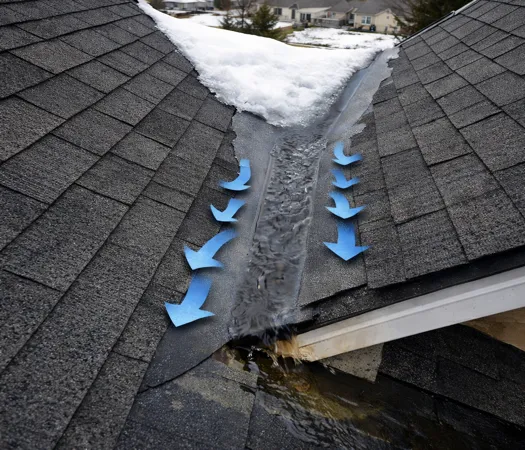
If this is your first time hearing this, here’s the simple truth. Roof valleys handle more water than any other part of your roof, and in Denver’s climate, that makes them the first place problems show up.
Between heavy spring rain, melting snow, ice buildup, hailstorms, and fast temperature swings, roof valleys take constant abuse. They collect water, channel runoff, and sit right where multiple roof planes come together. When something goes wrong in a valley, water doesn’t have far to travel before it finds its way inside.
Many Denver homeowners first notice valley problems after searching for roof repair help or landing on our homepage at https://erniesroofing.com/ looking for answers to a leak they can’t explain. By the time interior signs appear, the damage often started months earlier.
This guide explains why roof valleys fail so often on Denver homes, what causes leaks to start there first, and how early inspections can prevent expensive repairs.
What This Feels Like for Homeowners
Most homeowners describe roof valley problems the same way:
-
A leak appears after snow melt or steady rain
-
Water stains show up near ceiling corners or exterior walls
-
Moisture seems to come and go depending on weather
-
The roof looks fine from the ground
-
The problem keeps returning in the same area
These symptoms often lead homeowners to schedule a professional roof inspection in Denver to pinpoint the source.
Why Roof Valleys Matter More in Denver
Roof valleys are designed to move water efficiently off the roof. In Denver, they’re under constant stress because of how often water changes state.
Roof valleys regularly handle:
-
Snow accumulation followed by rapid melt
-
Ice forming overnight and thawing during the day
-
Hail striking the same channel repeatedly
-
Wind-driven rain pushing water sideways
-
Debris collecting where roof planes meet
Unlike open roof fields, valleys don’t get much margin for error. Even small installation issues can turn into leaks, especially on older Denver roofs that have already endured multiple hail seasons.

Roof leaks in Denver often begin long before water appears inside. Discover the real causes of delayed roof leaks and when Denver homes need inspection. Since 1978
How Roof Valleys Actually Fail
Roof valley failure is rarely sudden. It’s progressive.
Common failure points include:
-
Deteriorated or improperly installed valley flashing
-
Nail penetrations placed too close to the water channel
-
Shingles cut too tight or too loose along the valley
-
Ice dams forcing water under shingles
-
Sealant breakdown from UV exposure
These same issues are frequently discovered during leak-related roof repair evaluations, where the visible leak is far from the actual valley damage.
Ice Dams Make Valley Problems Worse
Ice dams are especially hard on valleys.
When snow melts higher up the roof and refreezes lower down, water backs up in the valley channel. Instead of flowing off the roof, it’s forced sideways and upward under shingles.
This is one of the most common reasons Denver homeowners experience leaks during late winter or early spring and later require emergency roof repairs after interior damage becomes visible.
Installation Mistakes We Commonly See
During inspections across Denver neighborhoods, we often find valley problems caused by earlier installation mistakes.
These include:
-
Incorrect valley flashing material
-
Shingles nailed directly through flashing
-
Improper overlap of underlayment
-
Valleys installed without ice and water shield
-
Debris buildup that was never addressed
These issues don’t always leak right away, which is why many homeowners assume their roof is still in good shape until water appears inside.
Repair vs Replacement: What Makes Sense for Valley Damage
Not all valley damage requires a full roof replacement.
Repairs May Be Enough When
-
Damage is isolated to one valley
-
The rest of the roof is in good condition
-
Shingles are still flexible
-
Flashing can be properly corrected
Replacement Is Often Smarter When
-
Multiple valleys are failing
-
Shingles are brittle or near the end of their lifespan
-
Ice dam damage is widespread
-
Previous valley repairs have already failed
A full roof evaluation helps determine whether repair or replacement is the better long-term solution for your Denver home.
Why Valley Leaks Are Often Missed
Valley damage is difficult to diagnose without getting on the roof.
From the ground:
-
Shingles may look intact
-
No obvious gaps are visible
-
Damage is hidden beneath layers
This is why many leaks are misdiagnosed until a trained roofing contractor performs a hands-on inspection.
When to Have Roof Valleys Inspected
You should schedule a roof inspection if:
-
You’ve had repeated leaks in the same area
-
Water stains appear near exterior walls
-
Ice dams form every winter
-
Your roof is over 12–15 years old
-
You’ve experienced hail or heavy snow loads
Catching valley issues early helps avoid structural repairs and interior damage.
Frequently Asked Questions
Why do roof leaks often start in valleys?
Because valleys collect the most water and are more vulnerable to failure.
Can valley leaks be repaired without replacing the roof?
Sometimes, if damage is limited and caught early.
Do ice dams damage roof valleys?
Yes. Ice dams are a major cause of valley leaks in Denver.
Are valley leaks always visible from the outside?
No. Many are hidden beneath shingles and flashing.
Does roof pitch affect valley performance?
Yes. Steeper roofs move water faster but still stress valleys.
How long should roof valleys last?
As long as the roof itself when installed and maintained properly.
Do gutters affect roof valleys?
Yes. Poor drainage increases valley stress and speeds failure.
Can debris cause valley leaks?
Absolutely. Debris traps moisture and accelerates deterioration.
Protect the Most Vulnerable Part of Your Roof
Roof valleys are one of the hardest-working parts of your roofing system and one of the most failure-prone in Denver’s climate.
If you’ve noticed recurring leaks, ice dams, or unexplained moisture, a professional inspection can identify valley problems before they cause serious damage.
Ernie’s Roofing
1195 W Custer Pl
Denver, CO 80223
720-346-ROOF
Serving Denver and the Front Range since 1978
OUR SERVICES
Your Neighborhood Roofing Contractor
Get more information concerning our service, do not wait to call us at 720 346 ROOF today. We’ll be more than happy to schedule a meeting with you.

Residential Roofing Contractor
Ernie’s Roofing specialize in residential roofing in Denver and have a team of experienced professional Roofers available to help you get the job done right The First Time. From minor repairs and maintenance to full–scale roof replacements,

Commercial Roofing
We construct, repair, as well as maintain Commercial Roofing systems for services both large and also small, creating personalized services that conserve our client’s time, cash, and also power. Call us at 720 346 ROOF and book a consultation today.

Hail Damage
Their knowledgeable staff is ready to help you assess the damage caused by storms and provide you with a comprehensive repair evaluation & plan. We specialize in all types of roof damage, including hail, wind, and even lightning strikes. Hail Claim Help

INSURANCE CLAIMS HELP
Our team of experienced insurance claim specialists will work with you to ensure that the insurance claim process is as stress-free as possible. We will work with your insurance company to provide all necessary documentation and estimates to ensure that your claim is processed quickly and correctly.

Wind Damage
When it comes to roof damage, it can be difficult to determine whether the damage was caused by hail or wind. While both types of damage can cause similar symptoms, they have different causes and require different repair methods.