
How Denver’s Weather Shortens Roof Life
How Denver’s Weather Shortens Roof Life (And What Homeowners Can Do About It)
If you’ve lived in Denver for any length of time, you already know our weather doesn’t play fair. One week it’s sunny and 70, the next we’re dealing with hail, wind, snow, or a freeze–thaw cycle that cracks sidewalks and roofs alike.
As a roofing contractor who’s worked on Denver homes for decades, I can tell you this plainly: roofs in Denver age faster than roofs in many other parts of the country. It’s not because of poor materials. It’s because of what the Front Range throws at them year after year.
If this is your first time hearing this, don’t worry. Most homeowners don’t realize how much local weather affects roof lifespan until there’s a leak or an insurance claim involved. This guide explains exactly how Denver’s climate damages roofs, what warning signs to look for, and what you can realistically do to slow the damage and protect your investment.
Why Roofing in Denver Is Different
Denver sits at high altitude with intense sun exposure, rapid temperature swings, and frequent storms. All of those factors combine to put constant stress on roofing materials.
In many parts of the country, roofs fail slowly. In Denver, they often fail suddenly after years of quiet damage.
Here’s what makes our area unique:
-
Over 300 days of sunshine per year
-
Frequent hail events, even small “pea-sized” hail
-
Strong wind gusts tied to fast-moving storms
-
Freeze–thaw cycles that repeat dozens of times each winter
-
Heavy spring snow followed by rapid melting
Each of these impacts roofing in a different way. Together, they shorten roof life if the system isn’t inspected and maintained properly.
.


Roof leaks in Denver often begin long before water appears inside. Discover the real causes of delayed roof leaks and when Denver homes need inspection. Since 1978
Hail Damage Adds Up Over Time
Most homeowners think hail damage only matters when the stones are big enough to dent cars or break windows. That’s not true.
In Denver, small and medium hail events happen often, and they quietly damage shingles over time.
What hail actually does:
-
Knocks protective granules off shingles
-
Creates micro-fractures in the asphalt mat
-
Weakens seal strips that hold shingles down
-
Exposes the roof to UV damage faster
A single hailstorm might not cause an immediate leak. But five or six over several years will shorten the roof’s lifespan dramatically.
That’s why we often see roofs that “look fine” from the ground but are completely worn out up close.
UV Exposure at High Altitude Is Brutal on Roofs
Denver’s elevation means stronger ultraviolet radiation. UV rays dry out asphalt shingles, making them brittle and less flexible.
When shingles lose flexibility:
-
They crack during temperature changes
-
Nails loosen as shingles expand and contract
-
Seal strips fail, allowing wind uplift
This is one of the biggest reasons roofs in Denver don’t last as long as advertised manufacturer lifespans. A “30-year shingle” rarely makes it 30 years here without problems.
Freeze–Thaw Cycles Break Roof Systems Down
Winter in Denver isn’t just cold — it’s unpredictable.
We often see snow melt during the day and refreeze at night. That cycle repeats again and again, forcing water into tiny cracks and seams.
Freeze–thaw damage commonly causes:
-
Cracked shingles
-
Lifted flashing
-
Loosened fasteners
-
Failed sealant around vents and chimneys
Over time, these weak points turn into leaks, usually showing up inside the home weeks or months later.
Wind Is an Underrated Roofing Threat
Wind doesn’t need to be hurricane-force to cause damage. Repeated wind events slowly lift shingles and stress fasteners.
Once a shingle lifts:
-
Seal strips break
-
Nails loosen
-
Water intrusion becomes more likely
Wind damage often goes unnoticed until shingles start sliding or tabs break off entirely.
How Snow Load Affects Roofs
Heavy, wet snow puts significant weight on roofing systems, especially older roofs.
Problems snow can cause:
-
Sagging decking
-
Ice dams at eaves
-
Water backup under shingles
-
Gutter strain and failure
When snow melts unevenly, water can back up under shingles near roof edges, leading to leaks inside walls and ceilings.
Why Gutters Matter More Than You Think
Your roof and gutters work as one system. When gutters clog or pull away, water spills where it shouldn’t.
This leads to:
-
Fascia rot
-
Ice dam formation
-
Foundation moisture
-
Premature roof edge failure
Keeping gutters clean and properly pitched is one of the easiest ways to protect your roof in Denver’s climate.
What Homeowners Can Do to Slow Roof Damage
You can’t control the weather, but you can control how prepared your roof is.
Here’s what actually helps:
Schedule Regular Roof Inspections
At least once a year, and always after major storms. Inspections catch small problems before they become expensive ones.
Address Minor Repairs Immediately
Loose flashing, popped nails, and cracked sealant don’t fix themselves. Waiting almost always costs more.
Keep Gutters and Downspouts Clear
Water should always move away from your roof and foundation. If it doesn’t, damage follows.
Choose the Right Materials
Some shingles perform better in Denver than others. Impact-resistant options can significantly extend roof life.
Document Storm Events
Photos and inspection reports help with insurance claims when damage eventually occurs.
How Long Roofs Really Last in Denver
Here’s the honest truth based on decades of local experience:
-
Standard asphalt shingles: 15–22 years
-
Impact-resistant shingles: 20–30 years
-
Metal roofing: 40–50 years
-
Flat roof membranes: 15–25 years depending on maintenance
Maintenance, installation quality, and weather exposure all play a role.
When to Call a Professional Roofer
You should call for an inspection if:
-
You’ve had a recent hail or windstorm
-
You notice granules in gutters
-
Shingles appear curled or cracked
-
You see ceiling stains or attic moisture
-
Your roof is over 15 years old
Early inspections prevent surprises.
Frequently Asked Questions
Does small hail really damage roofs?
Yes. Small hail causes cumulative damage that weakens shingles over time.
How often should roofs be inspected in Denver?
Once a year minimum, plus after major storms.
Can UV damage be repaired?
Not directly. Once shingles dry out, replacement is the only fix.
Do impact-resistant shingles really help?
Yes. They reduce damage and often qualify for insurance discounts.
Can wind damage be hard to see?
Absolutely. Many wind issues are only visible during close inspection.
Does snow cause roof leaks?
Indirectly. Snow melt and refreeze cause water backup and flashing failures.
How do gutters affect roof life?
Poor drainage leads to rot, ice dams, and roof edge failure.
Is roof damage always covered by insurance?
Storm damage often is. Wear and tear usually isn’t.
How long can I wait after a storm to inspect?
The sooner the better. Delays can complicate insurance claims.
Why choose Ernie’s Roofing?
Because we’ve been protecting Denver roofs since 1978. We tell you the truth, document what we find, and fix problems the right way.
Protect Your Roof Before Denver’s Weather Does More Damage
Denver’s weather isn’t going to get easier on roofs. But with the right inspections, maintenance, and materials, you can slow the damage and avoid costly surprises.
If you want a straight answer about your roof’s condition, we’re here to help.
Ernie’s Roofing
1195 W Custer Pl
Denver, CO 80223
Phone: 720-346-ROOF
Serving Denver and the Front Range since 1978
OUR SERVICES
Your Neighborhood Roofing Contractor
Get more information concerning our service, do not wait to call us at 720 346 ROOF today. We’ll be more than happy to schedule a meeting with you.

Residential Roofing Contractor
Ernie’s Roofing specialize in residential roofing in Denver and have a team of experienced professional Roofers available to help you get the job done right The First Time. From minor repairs and maintenance to full–scale roof replacements,

Commercial Roofing
We construct, repair, as well as maintain Commercial Roofing systems for services both large and also small, creating personalized services that conserve our client’s time, cash, and also power. Call us at 720 346 ROOF and book a consultation today.

Hail Damage
Their knowledgeable staff is ready to help you assess the damage caused by storms and provide you with a comprehensive repair evaluation & plan. We specialize in all types of roof damage, including hail, wind, and even lightning strikes. Hail Claim Help

INSURANCE CLAIMS HELP
Our team of experienced insurance claim specialists will work with you to ensure that the insurance claim process is as stress-free as possible. We will work with your insurance company to provide all necessary documentation and estimates to ensure that your claim is processed quickly and correctly.

Wind Damage
When it comes to roof damage, it can be difficult to determine whether the damage was caused by hail or wind. While both types of damage can cause similar symptoms, they have different causes and require different repair methods.
What’s New on The Blog
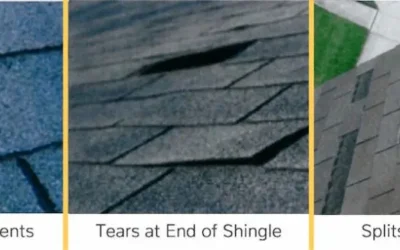
How To Protect Your Roof From Hail & Storm Damage
Your roof is the main line of defense between your home from Hail & Storm Damage. As such, it’s important to take steps to maintain and protect your roof from damage caused by hail, wind, and water. Here are six tips to help keep your roof in top condition and...
Realtors Need Ernie’s Roofing in Their Phone Directory
5 Reasons Denver Realtor Needs Ernie’s Roofing in Their Phone Directory As a real estate professional in the Denver area, one of the most important things you need to have in your phone directory is a reliable roofing company. Ernie’s Roofing is one of the most...
Commercial Roofing Contractor in Denver NorthSide
Experience and Expertise You Can Trust When it comes to protecting your commercial property, your roof is your first line of defense. It’s important to have a reliable roofing contractor you can trust to ensure that your roof is in top condition. That’s where we come...
#1 Rated Roofing Contrator In Denver
Craftsmanship That Stands Like a House
Let’s Get Your Project on the Right Track

Let’s Get Started