
What to Do If You Have a House Fire
Checklist: What to Do If You Have a House Fire in Denver (and How to Protect Your Insurance Rights)
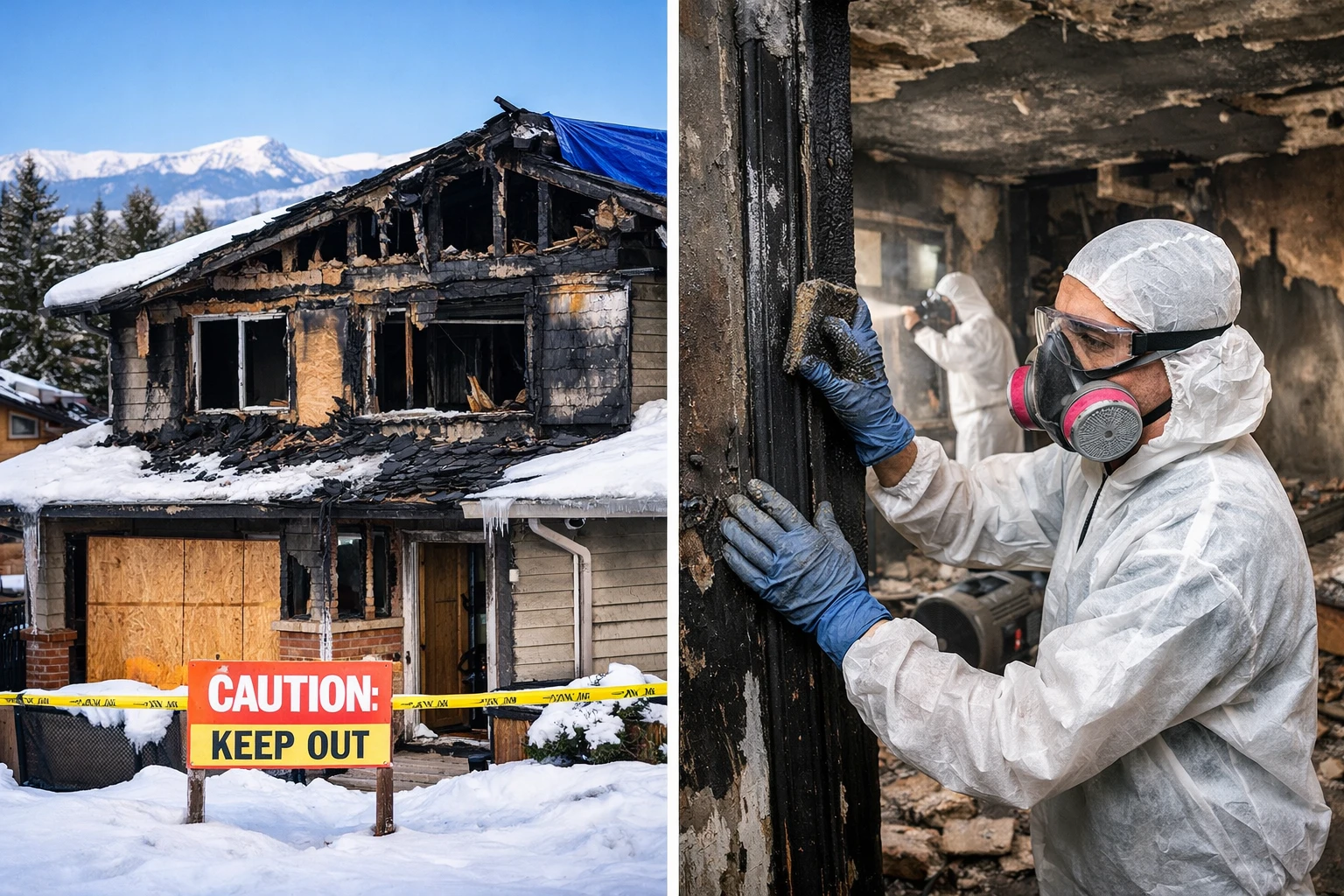
If you’ve just had a house fire, you’re not just dealing with damage—you’re suddenly dropped into an insurance claim whether you like it or not. And here’s the hard truth most people don’t hear early enough: the claim process can hurt you just as much as the fire if it’s mishandled.
If this is your first time hearing this, understand one thing up front: you have a limited window to protect your rights under your homeowner’s policy. In Colorado, most policies give you about 180 days from the start of the claim to properly document, dispute, and preserve coverage. Miss that window, and things you should have been paid for quietly disappear.
We know this because we’ve been through it—on both sides. We’ve handled fire-damage repairs for decades, and yes, we’ve walked the insurance road ourselves too. That experience matters.
This checklist walks you through what to do and what not to do, with real-world Denver context.
1) Safety First — Don’t Re-Enter Until Cleared
Before paperwork, before photos, before panic:
-
Wait for clearance from the Denver Fire Department
-
Watch for weakened floors, stairs, and roof framing
-
Shut off gas, electric, and water if not already done
-
If you smell gas or hear hissing, leave immediately
Fire compromises structural systems long before collapse is visible—especially in older Denver homes with layered remodels.
2) Document Everything (This Is Claim Protection)
This step directly affects what insurance pays.
-
Photograph every room (wide + close-up)
-
Capture ceilings, attic access, rooflines, gutters, fascia, siding
-
Document personal property before removal
-
Keep a written log of dates, names, and conversations
Smoke and heat rise. That means roof edges, gutters, soffits, and attic systems often take damage that adjusters miss unless it’s documented early.
For research-backed guidance on post-fire documentation, see resources from the Insurance Information Institute and the Colorado Division of Insurance.
3) Start the Insurance Claim — But Don’t Hand It Over
Call your insurer the same day if possible.
-
Open a claim number
-
Ask about ALE (Additional Living Expenses)
-
Ask what emergency work is allowed
-
Confirm deadlines in writing
Important truth: you are not required to use the insurance company’s preferred contractors. That’s your legal right under Colorado law.
4) Know This Deadline: You Have ~180 Days
This is critical.
Most Colorado homeowner policies allow around 180 days from the start of the claim to:
-
Submit supplemental damage
-
Dispute scope or pricing
-
Add overlooked items (like gutters, fascia, roof edges)
-
Protect depreciation recovery rights
After that window closes, insurance can legally say “too late.”
We help homeowners stay ahead of that clock because once it runs out, leverage is gone.

Roof leaks in Denver often begin long before water appears inside. Discover the real causes of delayed roof leaks and when Denver homes need inspection. Since 1978
5) Secure the Home Immediately (Emergency Work Only)
Prevent secondary damage:
-
Board broken windows and doors
-
Tarp roof and attic openings
-
Protect exposed eaves and roof edges
Fire suppression water + Denver freeze-thaw cycles = burst pipes, ceiling collapses, and mold if the home isn’t secured fast.
6) Do NOT Start Permanent Repairs Yet
This mistake kills claims.
-
Don’t remove major materials without approval
-
Don’t throw away damaged items yet
-
Don’t let a contractor “start rebuilding” early
Emergency stabilization is fine. Permanent repairs come after adjuster documentation.
7) Get a Roof, Gutter & Exterior Inspection Early
This is where experience matters.
Fire—even a small one—can:
-
Warp roof decking and trusses
-
Crack or prematurely age shingles
-
Melt gutter hangers and seams
-
Damage fascia boards and soffits
-
Compromise ice-and-water shield
These are not cosmetic issues. They’re functional failures waiting to happen—especially under Denver snow load and spring hail.
8) Understand Smoke Damage (It’s Chemical)
Smoke isn’t just odor—it corrodes.
-
Acidic residue attacks metal
-
Gutters and downspouts corrode internally
-
Insulation absorbs odor permanently
-
Paint and finishes fail early
According to guidance from the American Red Cross, smoke damage often causes long-term material failure even when surfaces look intact.
9) We Can Help You Through the Claim Process
This is where we’re different.
We don’t just “fix gutters.”
We help homeowners navigate insurance claims, because we’ve been in the claims process ourselves and have years of real insurance-claim experience on fire, hail, and storm losses.
What that means for you:
-
We know what adjusters overlook
-
We know how to document exterior damage properly
-
We help protect your rights inside the policy timeframe
-
We help you avoid underpaid or denied line items
We don’t replace your adjuster. We help balance the table.
10) Watch Out for Door-Knockers
After fires, they flood neighborhoods.
Red flags:
-
High-pressure “free inspections”
-
“We’ll run the whole claim for you”
-
Large deposits before approval
A reputable Denver contractor explains the process, documents everything, and lets you stay in control.
11) Meet the Adjuster Prepared
When the adjuster arrives:
-
Walk the entire exterior together
-
Point out roof edges, gutters, soffit, fascia
-
Ask what’s included vs excluded
-
Take notes and photos
If it’s not discussed now, it’s harder to add later—especially as the 180-day clock runs.
12) Plan Repairs in the Right Order
Correct sequencing prevents rework:
-
Structural repairs
-
Roofing & exterior envelope
-
Gutters & drainage
-
Windows & siding
-
Interior rebuild
Exterior first keeps Denver weather out while interior work happens.
13) Think Beyond “Good Enough”
A fire is a forced reset.
Smart upgrades during repair:
-
Better attic ventilation
-
Improved insulation
-
Corrected gutter layout
-
Drainage fixes
Denver weather punishes shortcuts. Build it right once.
Frequently Asked Questions (FAQs)
1. How long do I have to fix things after a house fire?
Repairs can take time, but insurance deadlines are strict. Most policies allow about 180 days from claim start to protect your rights and submit supplements.
2. Can I choose my own contractor?
Yes. You are not required to use the insurance company’s contractor.
3. Does insurance cover gutters after a fire?
Often yes—but only if damage is documented. Heat and smoke damage are commonly overlooked.
4. What if smoke damage isn’t visible?
Smoke causes chemical corrosion. Hidden damage still counts if documented properly.
5. Should I clean up before the adjuster comes?
No major cleanup. Only emergency stabilization to prevent further damage.
6. What is ALE coverage?
Additional Living Expenses—hotel, meals, rentals—ask for it early.
7. Can repairs start before approval?
Emergency work only. Permanent repairs should wait for documentation.
8. What if the adjuster misses damage?
That’s where experience helps. Missed items can be added—within the policy timeframe.
9. How long does a fire claim take in Denver?
Anywhere from weeks to months depending on severity, documentation, and disputes.
10. Can a contractor help with insurance paperwork?
Yes. Experienced contractors help document damage and protect claim scope—but you stay in control.
Final Word (Straight Talk)
A house fire is bad enough. Losing coverage because of missed steps or deadlines makes it worse.
If this is your first time dealing with a fire, remember this: the claim clock is ticking from day one. Document early, slow down decisions, and work with people who understand both construction and insurance.
Denver homes face enough from weather alone. After a fire, your roof, gutters, and exterior systems deserve careful attention—not shortcuts.
If you want help protecting your home and your claim, that’s exactly where our experience comes in.
Related Reading
- Fire Damage Gutter Repair in Denver
- Emergency Roof Repair After Fire Damage
- When Gutters Must Be Replaced After Heat or Smoke Damage
- Why a Roof Inspection Matters After a House Fire
- Fascia and Soffit Damage From Fire and Smoke
- How Insurance Roof Claims Work in Denver
- Water Damage Problems After Fire Suppression
- Hail and Fire Compound Damage on Denver Homes
- Attic and Ventilation Smoke Damage Risks
- Denver Roofing Contractor – Ernie’s Roofing
This content is provided for general informational and educational purposes only. It does not constitute professional construction, roofing, or contracting advice. Every property, structure, and situation is different. Always consult a qualified roofing or gutter professional for inspections, recommendations, and repairs specific to your home or building.
OUR SERVICES
Your Neighborhood Roofing Contractor
Get more information concerning our service, do not wait to call us at 720 346 ROOF today. We’ll be more than happy to schedule a meeting with you.

Residential Roofing Contractor
Ernie’s Roofing specialize in residential roofing in Denver and have a team of experienced professional Roofers available to help you get the job done right The First Time. From minor repairs and maintenance to full–scale roof replacements,

Commercial Roofing
We construct, repair, as well as maintain Commercial Roofing systems for services both large and also small, creating personalized services that conserve our client’s time, cash, and also power. Call us at 720 346 ROOF and book a consultation today.

Hail Damage
Their knowledgeable staff is ready to help you assess the damage caused by storms and provide you with a comprehensive repair evaluation & plan. We specialize in all types of roof damage, including hail, wind, and even lightning strikes. Hail Claim Help

INSURANCE CLAIMS HELP
Our team of experienced insurance claim specialists will work with you to ensure that the insurance claim process is as stress-free as possible. We will work with your insurance company to provide all necessary documentation and estimates to ensure that your claim is processed quickly and correctly.

Wind Damage
When it comes to roof damage, it can be difficult to determine whether the damage was caused by hail or wind. While both types of damage can cause similar symptoms, they have different causes and require different repair methods.